Beter Voor Je Katheter is een online platform voor mensen die een blaaskatheter hebben, er in hun omgeving mee te maken hebben of professioneel in de katheterzorg actief zijn.

Meer dan 100.000 mensen in Nederland gebruiken een blaaskatheter omdat zij niet goed kunnen plassen. Soms is dit tijdelijk van aard, bijvoorbeeld na een operatie of ziekenhuisopname, maar veel mensen zijn ook langdurig afhankelijk van een blaaskatheter. Bijvoorbeeld bij neuromusculaire aandoeningen, zoals spina bifida en MS of door ouderdomsaandoeningen als een vergrote prostaat.
Elke kathetergebruiker heeft zijn of haar eigen verhaal en een ander gezicht. Op Beter Voor Je Katheter kunt u terecht voor allerhande informatie over katheters, problemen bij katheters en treft u ervaringsverhalen van andere kathetergebruikers. Ook komen zorgverleners aan het woord en delen zij tips.
Beter Voor Je Katheter wordt mogelijk gemaakt door sponsoring van organisaties die actief zijn in de katheterzorg. Heeft u problemen met uw katheter of medische vragen, raadpleeg dan altijd uw zorgverlener.
Let op: wij verwerken de gegevens uit de vragenlijst voor data-analyse en andere doeleinden en zorgen voor veilige opslag en respecteren de privacy van de deelnemers. We kunnen echter geen verantwoordelijkheid nemen voor verlies, diefstal of onrechtmatige verkrijging van de gegevens buiten onze controle. Door deel te nemen aan de vragenlijst stemt u in met deze disclaimer en ons privacybeleid.
Let op: wij verwerken de gegevens uit de vragenlijst voor data-analyse en andere doeleinden en zorgen voor veilige opslag en respecteren de privacy van de deelnemers. We kunnen echter geen verantwoordelijkheid nemen voor verlies, diefstal of onrechtmatige verkrijging van de gegevens buiten onze controle. Door deel te nemen aan de vragenlijst stemt u in met deze disclaimer en ons privacybeleid.
Blijf op de hoogte van de nieuwste ontwikkelingen in de gezondheidszorg, lees verhalen en maak verbinding met de gemeenschap van zorgverleners en patiënten door u in te schrijven voor onze nieuwsbrief. Meld u nu aan en blijf altijd op de hoogte!

In de uitzending van zondag 12 maart komt het onderwerp katheters aan bod. Arts en blaasexpert Dick Janssen en verpleegkundig consulent Ria Pothoven delen hun expertise over katheters. Kijkers worden meegenomen in wanneer een katheter nodig is, wat voor katheters er zijn en wat je kunt doen bij problemen, zoals een verstopte katheter.

Beste kathetergebruiker,
Wij nodigen u uit om uw verhaal te delen op ons online platform. Het delen van ervaringen kan helpen om anderen te informeren, steun te bieden en taboes te doorbreken. Of u nu net een katheter heeft gekregen of al jarenlang een katheter draagt, we zijn benieuwd naar uw verhaal. Wanneer kreeg u te horen dat u een katheter moest gaan gebruiken? Wat zijn de uitdagingen die u tegenkomt? Heeft u tips voor anderen? Wat zijn de positieve en negatieve aspecten van het leven met een katheter?
Uw verhaal kan andere patiënten met een katheter helpen en inspireren. Bovendien kan het bijdragen aan een beter begrip van uw medische aandoening en het wegnemen van stigmatisering en misvattingen.
Als u uw verhaal wilt delen, kunt u ons nu mailen naar [email protected]. U kunt uw verhaal anoniem vertellen of met naam en foto. We kijken ernaar uit om van u te horen!
Met vriendelijke groet,
Het team van BeterVoorJeKatheter


Ria Pothoven is verpleegkundig consulent en al 20 jaar actief in de katheterzorg. Zij deelt haar kennis en ervaringen op BeterVoorJeKatheter.nl Hoi Ria, wat fijn dat je jouw kennis en
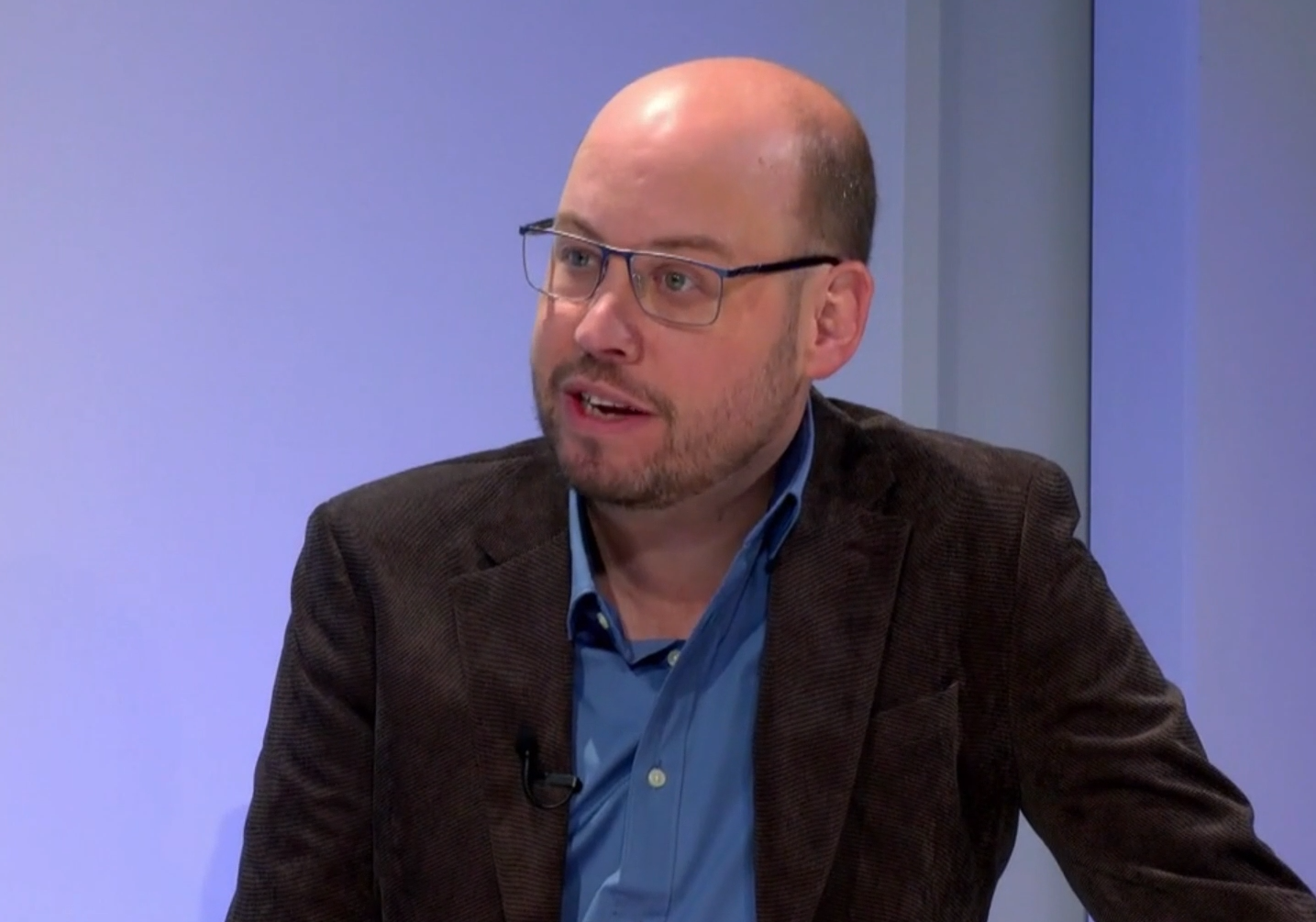
1. Waarom ben je richting de urologie gegaan en wat vind je het leukst? ‘’Als uroloog vind ik het vakgebied bijzonder omdat het zowel heel praktisch als heel beschouwend is.

Een verstopte katheter is een vervelend probleem. De verstopping kan leiden tot pijn, ongemak en zelfs infecties. Er zijn verschillende redenen waardoor een katheter verstopt kan raken, waaronder bacteriën en

Wanneer u een katheter gebruikt, is het belangrijk om actief te zijn in het voorkomen van complicaties en het verbeteren van uw comfort. U bent wellicht opzoek naar leefstijltips bij

Wanneer het nodig is om voor langere tijd te katheteriseren, worden meestal twee opties overwogen: een verblijfskatheter of intermitterend katheteriseren. Een verblijfskatheter blijft gedurende een langere periode in de blaas
Heeft u vragen over dit platform of heeft u interesse om partner te worden. Vul het contactformulier en wij nemen zo spoedig mogelijk contact met u op.
Beter Voor Je Katheter is hét platform voor informatie en ervaringen over katheters.

We firmly believe that the internet should be available and accessible to anyone, and are committed to providing a website that is accessible to the widest possible audience, regardless of circumstance and ability.
To fulfill this, we aim to adhere as strictly as possible to the World Wide Web Consortium’s (W3C) Web Content Accessibility Guidelines 2.1 (WCAG 2.1) at the AA level. These guidelines explain how to make web content accessible to people with a wide array of disabilities. Complying with those guidelines helps us ensure that the website is accessible to all people: blind people, people with motor impairments, visual impairment, cognitive disabilities, and more.
This website utilizes various technologies that are meant to make it as accessible as possible at all times. We utilize an accessibility interface that allows persons with specific disabilities to adjust the website’s UI (user interface) and design it to their personal needs.
Additionally, the website utilizes an AI-based application that runs in the background and optimizes its accessibility level constantly. This application remediates the website’s HTML, adapts Its functionality and behavior for screen-readers used by the blind users, and for keyboard functions used by individuals with motor impairments.
If you’ve found a malfunction or have ideas for improvement, we’ll be happy to hear from you. You can reach out to the website’s operators by using the following email
Our website implements the ARIA attributes (Accessible Rich Internet Applications) technique, alongside various different behavioral changes, to ensure blind users visiting with screen-readers are able to read, comprehend, and enjoy the website’s functions. As soon as a user with a screen-reader enters your site, they immediately receive a prompt to enter the Screen-Reader Profile so they can browse and operate your site effectively. Here’s how our website covers some of the most important screen-reader requirements, alongside console screenshots of code examples:
Screen-reader optimization: we run a background process that learns the website’s components from top to bottom, to ensure ongoing compliance even when updating the website. In this process, we provide screen-readers with meaningful data using the ARIA set of attributes. For example, we provide accurate form labels; descriptions for actionable icons (social media icons, search icons, cart icons, etc.); validation guidance for form inputs; element roles such as buttons, menus, modal dialogues (popups), and others. Additionally, the background process scans all of the website’s images and provides an accurate and meaningful image-object-recognition-based description as an ALT (alternate text) tag for images that are not described. It will also extract texts that are embedded within the image, using an OCR (optical character recognition) technology. To turn on screen-reader adjustments at any time, users need only to press the Alt+1 keyboard combination. Screen-reader users also get automatic announcements to turn the Screen-reader mode on as soon as they enter the website.
These adjustments are compatible with all popular screen readers, including JAWS and NVDA.
Keyboard navigation optimization: The background process also adjusts the website’s HTML, and adds various behaviors using JavaScript code to make the website operable by the keyboard. This includes the ability to navigate the website using the Tab and Shift+Tab keys, operate dropdowns with the arrow keys, close them with Esc, trigger buttons and links using the Enter key, navigate between radio and checkbox elements using the arrow keys, and fill them in with the Spacebar or Enter key.Additionally, keyboard users will find quick-navigation and content-skip menus, available at any time by clicking Alt+1, or as the first elements of the site while navigating with the keyboard. The background process also handles triggered popups by moving the keyboard focus towards them as soon as they appear, and not allow the focus drift outside of it.
Users can also use shortcuts such as “M” (menus), “H” (headings), “F” (forms), “B” (buttons), and “G” (graphics) to jump to specific elements.
We aim to support the widest array of browsers and assistive technologies as possible, so our users can choose the best fitting tools for them, with as few limitations as possible. Therefore, we have worked very hard to be able to support all major systems that comprise over 95% of the user market share including Google Chrome, Mozilla Firefox, Apple Safari, Opera and Microsoft Edge, JAWS and NVDA (screen readers), both for Windows and for MAC users.
Despite our very best efforts to allow anybody to adjust the website to their needs, there may still be pages or sections that are not fully accessible, are in the process of becoming accessible, or are lacking an adequate technological solution to make them accessible. Still, we are continually improving our accessibility, adding, updating and improving its options and features, and developing and adopting new technologies. All this is meant to reach the optimal level of accessibility, following technological advancements. For any assistance, please reach out to